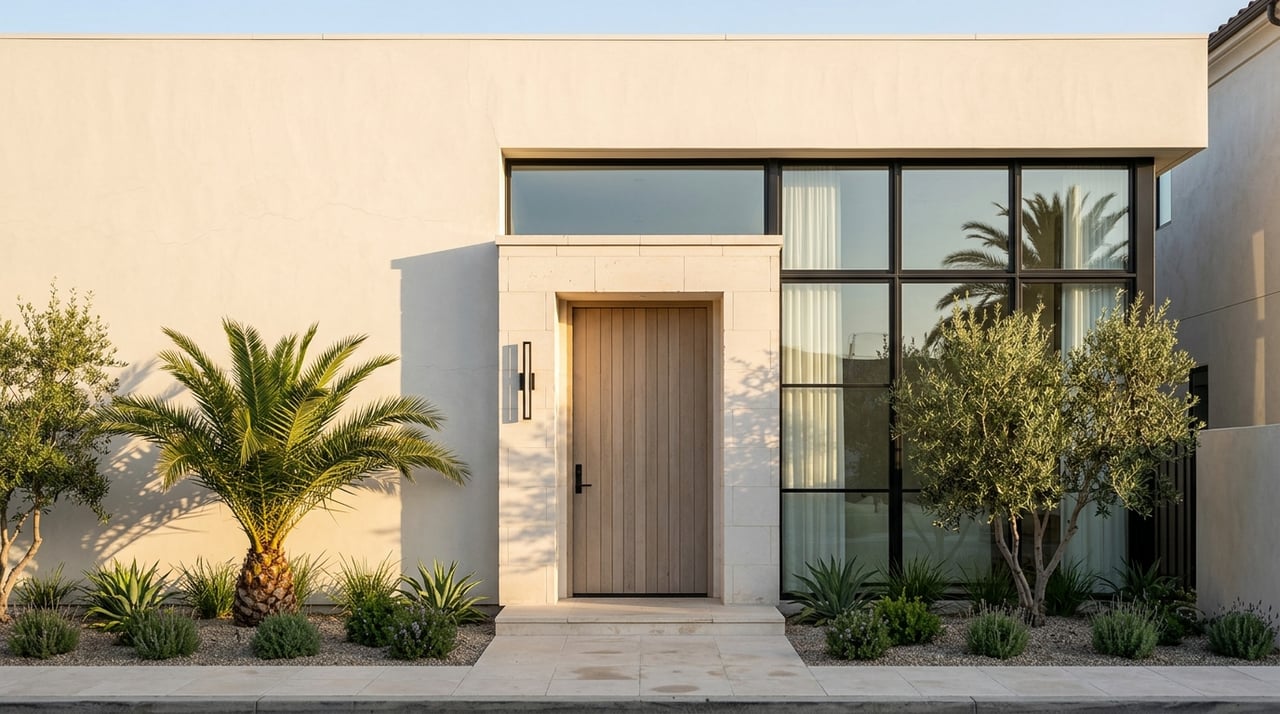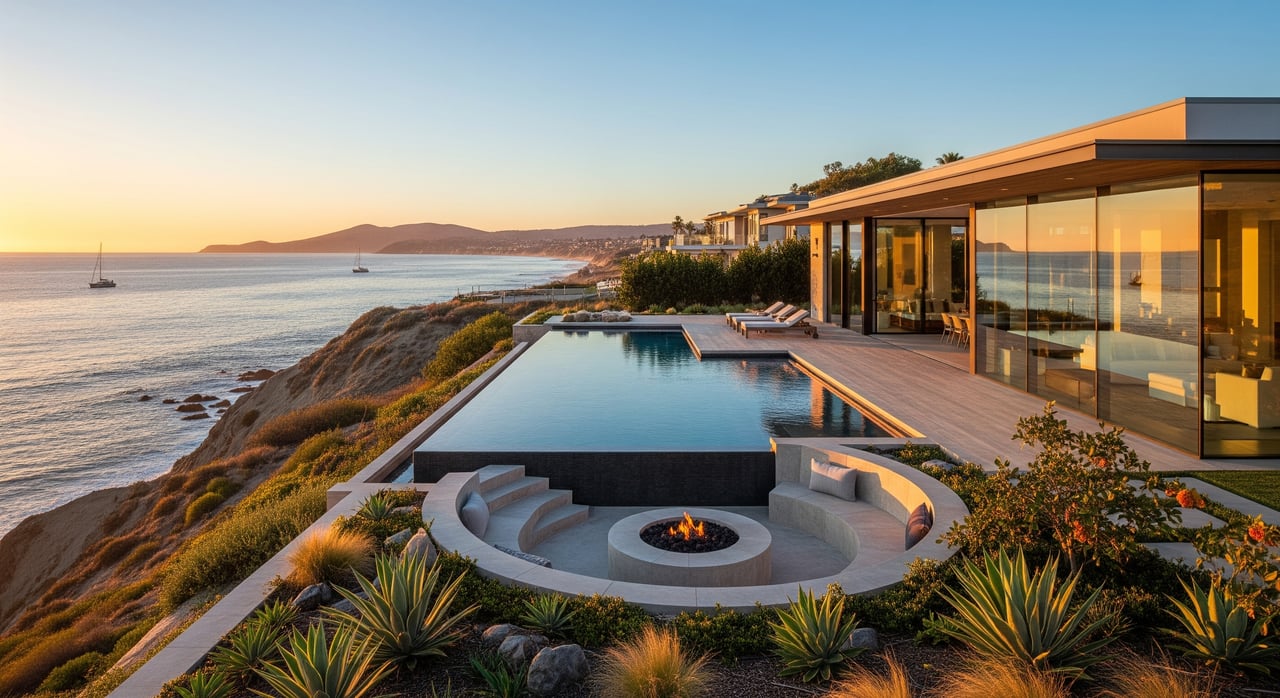
Is an ocean view worth the extra six or seven figures in Newport Coast? If you are comparing homes with partial blue-water glimpses to those with sweeping coastline panoramas, the difference can feel subjective. You want clarity before you write an offer or set a list price. In this guide, you will learn how view premiums work here, what drives them up or down, and practical ways to estimate the right number for your situation. Let’s dive in.
What a view premium means
A view premium is the additional amount buyers are willing to pay for a property with a superior view compared to a similar property without that view. In Newport Coast, ocean orientation, elevation, and sightline permanence all matter. The premium is not a fixed percentage. It is a function of the specific setting, community rules, market cycle, and the quality of what you see every day.
Newport Coast factors that drive value
View type and quality
Not all water views are equal. Agents and appraisers often distinguish between obstructed or partial views, consistent open views, and panoramic views that capture coastline and horizon. Harbor or bay views usually trail open ocean panoramas in value. Framing, foreground elements, and visible movement like waves or boats shape perceived quality and price.
Elevation and distance
Higher elevations often clear rooftops and extend the horizon line, which increases value. Distance to the shoreline is not linear. A ridge or bluff location set slightly inland can outprice a closer home if the closer home’s sightline is blocked by structures or trees. Homes on promontories with multiple aspects can command some of the strongest premiums.
Orientation and light
West-facing exposures that capture sunsets are typically the most desirable in Southern California. South-facing exposures add warm light and long daylight, which many residents prefer for outdoor living. Orientation also ties to glare and heat management, which affects how often you will use patios and decks.
Sightlines and permanence
Unobstructed views that are unlikely to be blocked in the future carry higher and more durable premiums. Proximity to protected open space, parkland, street setbacks, and restrictive zoning can help secure sightlines. Risks that reduce value include buildable lots below or above, tree growth, and future rooftop additions nearby.
Community placement and micro-markets
Newport Coast is a collection of micro-markets. Homes along canyon edges, ridge lines, and communities near Pelican Hill or Crystal Cove often see different buyer demand and pricing behavior. Gated communities can protect view corridors through architectural rules, though those same rules may limit changes you could make to enhance a view.
Condos and floor level
In condos and townhomes, floor level often has a material impact. Each step up can produce a meaningful price difference, and top-floor homes with direct ocean sightlines can show proportionally higher premiums on a per-square-foot basis compared to large single-family homes.
Market and risk factors
Luxury coastal buyers tend to be less price sensitive about views, and premiums often grow in strong seller’s markets. Coastal insurance costs, bluff stability, and long-term hazards can temper what buyers will pay. Keep both enjoyment and risk in view when you evaluate price.
Typical premium ranges
Published analyses of coastal markets show wide variation. In Newport Coast, premiums generally follow this pattern:
- Partial or obstructed ocean view: often a modest premium, commonly in the low single-digit percentage range.
- Consistent open ocean view: typically higher, often in the high single-digit to low double-digit range.
- Panoramic, unobstructed coastline and horizon from a ridge or bluff: can reach double-digit percentages and, in strong markets, may extend to 20 to 30 percent.
For condos, the per-square-foot premium can be proportionally higher than for large single-family homes. Local matched sales within the same community provide the most reliable guidance.
How to estimate your property’s view premium
Use matched-pair comps
The most practical approach is a matched-pair comparison inside the same tract or micro-market. Find two recent sales with the same floor plan, similar condition, and similar lots. If the main difference is the view, compute the dollar and percentage gap. Repeat with multiple pairs, then average your results. This isolates a realistic premium that reflects current demand.
Consider regression analysis
Where you have a larger set of recent sales, a hedonic regression can estimate the marginal value of a view while holding size, condition, and lot differences constant. This is an advanced method and requires enough data to be reliable, but it can be useful when comps are varied or scarce.
Follow an on-site checklist
- Is the view partial or panoramic, and does it face west for sunsets?
- Are there structures, trees, or buildable parcels that could block the line of sight later?
- Is the view bordered by protected open space, such as parkland, that adds permanence?
- For condos, what floor is the unit on, and how big is the per-floor difference?
- Are there recorded view easements or HOA height limits that protect the corridor?
- Is the property within a coastal hazard or flood zone that could affect insurance costs?
Permanence and protection in Newport Coast
Protected land and planning
Properties adjacent to preserved areas, including parkland near Crystal Cove, may benefit from more durable sightlines. Local planning and Coastal Commission approvals can influence whether new development could alter views. When evaluating a premium, confirm the status of nearby parcels and setbacks.
Shoreline hazards and insurance
Bluff erosion, sea-level rise context, and coastal maintenance can weigh on what buyers will pay. Bluff-top homes may incur higher upkeep or insurance. A careful risk review supports a realistic premium and helps avoid surprises at resale.
HOAs, rules, and easements
HOAs can both protect and constrain. Community guidelines may prevent neighbors from building into established corridors, but they may also limit your ability to modify landscaping or structures to improve a view. In California, there is no automatic legal right to a view. Only a recorded view easement or specific rule provides enforceable protection.
Should you pay the premium?
Start with your motivation. If the ocean view is central to your lifestyle, a higher percentage premium can make sense. Use matched comps to set a ceiling, then weigh permanence, orientation, and risk. For condos, compare the incremental benefit of moving up a floor against the cost. For single-family homes, consider whether a slightly smaller house with a stronger view fits your goals better than a larger home with a partial view.
Pricing and marketing for sellers
If you are selling, present the view as a living space. Document it with high-quality photos at multiple times of day and, where appropriate, aerials that show the panorama. Anchor your pricing in local comps that specify view quality. Disclose any known risks and highlight protections like adjacency to open space or recorded easements. Staging patios and balconies to show daily usability often helps buyers internalize the value.
When the premium falls short
A large adjustment may not be justified if the view is intermittent, heavily framed by structures, or vulnerable to foreseeable obstruction. If a property carries meaningful long-term risk, buyers may discount accordingly. In those cases, focus on features that offer more consistent utility, such as layout, privacy, and turnkey condition.
Appraisal and negotiation tips
Expect appraisers to lean on local sales that closely match view quality. When negotiating, prepare a short packet that isolates view as the primary variable and includes photos from comparable properties. If you are the buyer, bring two or three matched pairs to support your number. If you are the seller, be ready to show multiple comps and clear documentation of the corridor’s permanence and orientation.
When you want discreet, data-informed guidance on Newport Coast views, connect with a local advisor who understands these micro-markets. For a private, concierge-level approach to buying or selling, reach out to Julie Grenz.
FAQs
How do ocean-view types impact price in Newport Coast?
- Partial views often add a small premium, open views typically add more, and panoramic coastline and horizon views can command the highest double-digit percentages in strong markets.
How do sunset views affect value in Newport Coast?
- West-facing exposures that capture sunsets are generally more desirable, which often translates into higher view premiums compared to north-facing orientations.
What protects a Newport Coast view from future blockage?
- Permanence improves when views abut protected open space, benefit from setbacks, or are covered by recorded view easements. Without an easement, future changes may affect sightlines.
How should a buyer estimate a fair view premium in Newport Coast?
- Use matched-pair comps within the same community to isolate view differences, average across multiple pairs, then adjust for orientation, risk factors, and resale potential.
How do condos handle floor-level view premiums in Newport Coast?
- Each higher floor can materially change value, with top-floor homes and direct ocean sightlines often showing proportionally higher per-square-foot premiums than larger single-family residences.