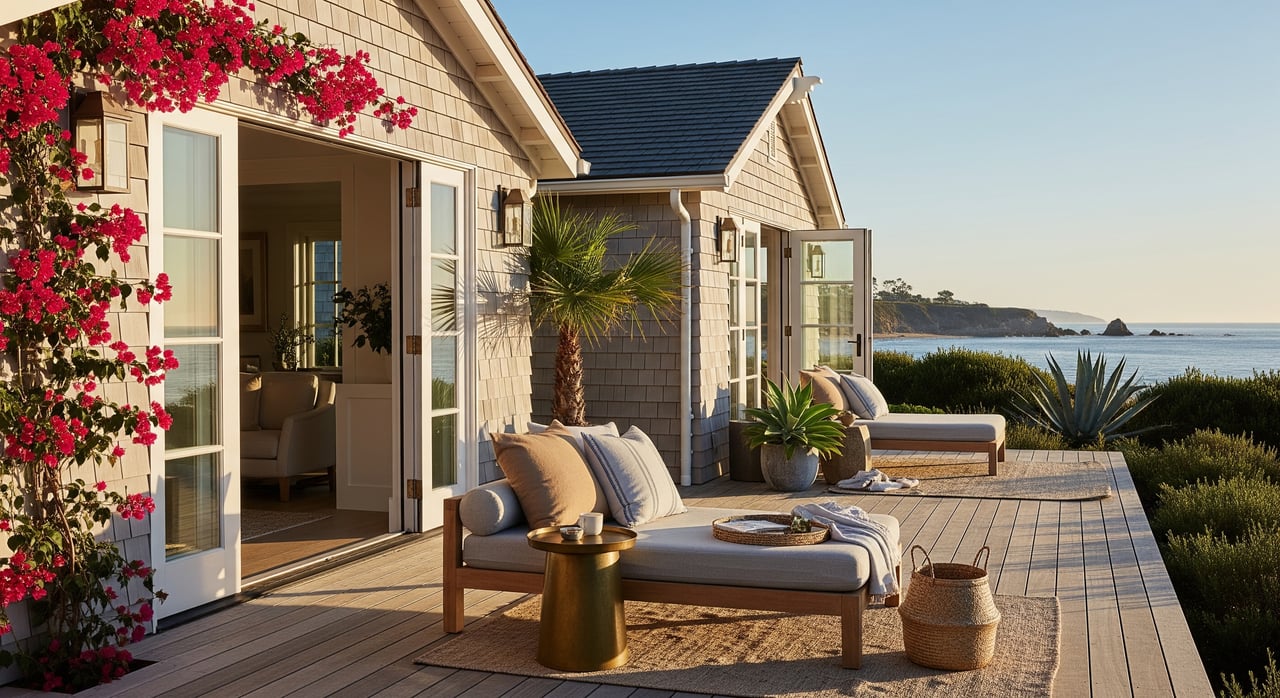
What if your morning coffee came with salt air and an easy stroll to pocket beaches and tide pools? If you are drawn to everyday coastal living without the rush of a big city, Corona del Mar Village offers a calm, walkable rhythm with boutique amenities close at hand. In this guide, you will see what daily life actually feels like here, from beach routines and errands to homes, layouts, and practical considerations. Let’s dive in.
Corona del Mar Village at a glance
Corona del Mar, a village-scale neighborhood within Newport Beach, feels intimate and coastal in all the right ways. You will find a compact commercial strip along Coast Highway with independent boutiques, galleries, cafes, and restaurants. Many residents are year-round, and some are seasonal or second-home owners, which keeps the village lively but not overwhelming. The shoreline setting features cliffs, bluffs, and tide pools at Little Corona that shape daily outdoor life.
Walkability and daily conveniences
If you live near the village core, you can walk to coffee, a small market, salons, galleries, and casual eateries in minutes. Outside the core, some residential pockets shift to more car-dependent routines, so your exact address matters. On-street parking is limited near the beach and along the main corridor, especially on summer weekends and holidays. Many locals plan errands at off-peak times and use neighborhood lots or metered parking when needed.
Beaches and outdoor rhythm
Multiple public-access beaches and pocket coves make daily walks, tide-pooling, and sunset watching an easy habit. You can swim or surf in appropriate areas, then head home without a long drive. The outdoor lifestyle extends to running, biking nearby corridors, paddleboarding, and casual beach sports. Keep in mind that coastal settings come with natural dynamics, including seasonal storms and long-term sea-level considerations that may affect certain properties.
Getting around and commuting
For regional travel, you will use Pacific Coast Highway for quick access to the 73, 55, or 405, with typical Southern California traffic at peak times. OCTA bus routes serve the area for those who prefer public transit for select trips. Walking and biking work well for short village errands, but most residents still use a car for broader Orange County commutes. Park-and-ride or Metrolink options are a drive away, which is common for coastal neighborhoods.
Homes and architecture
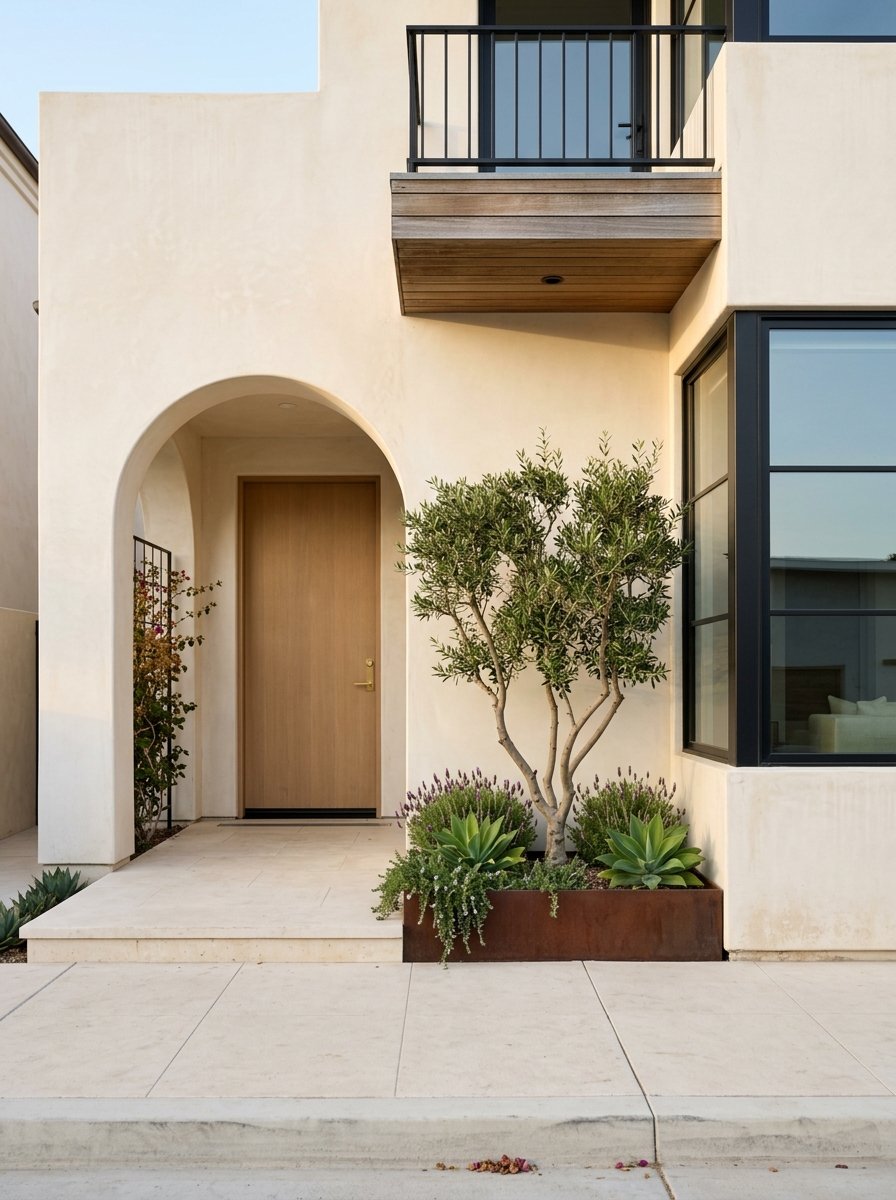
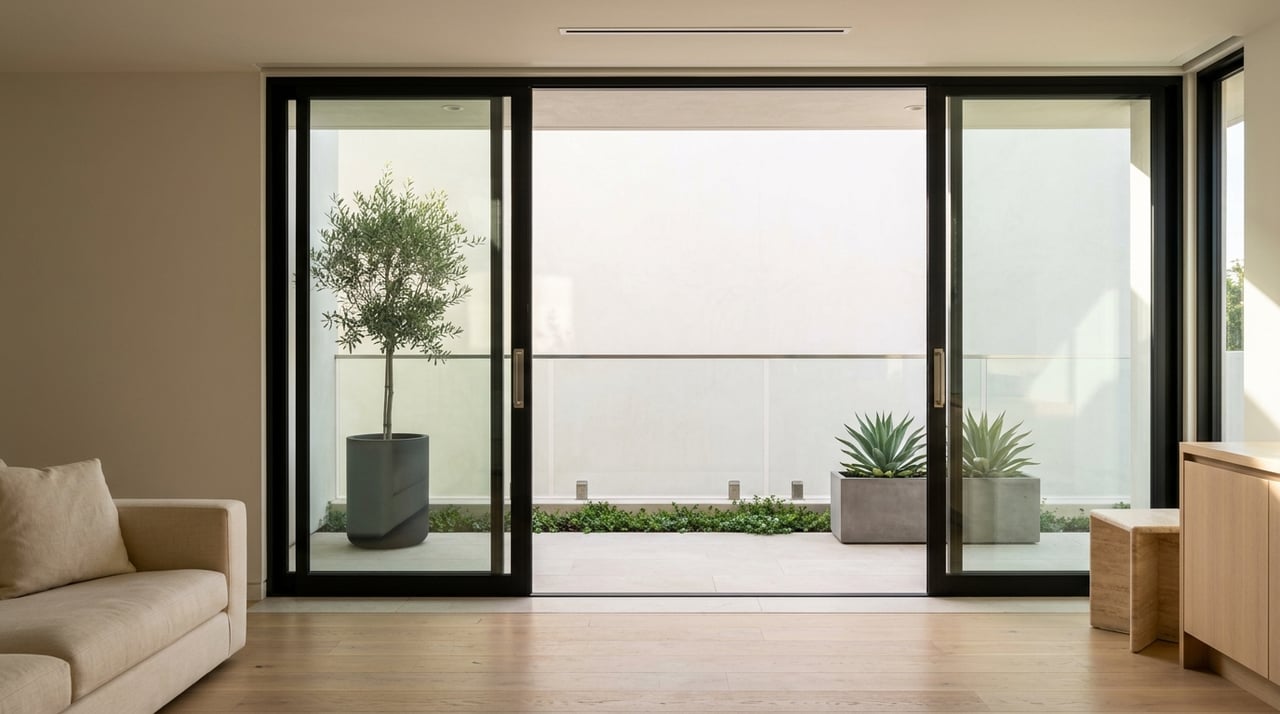
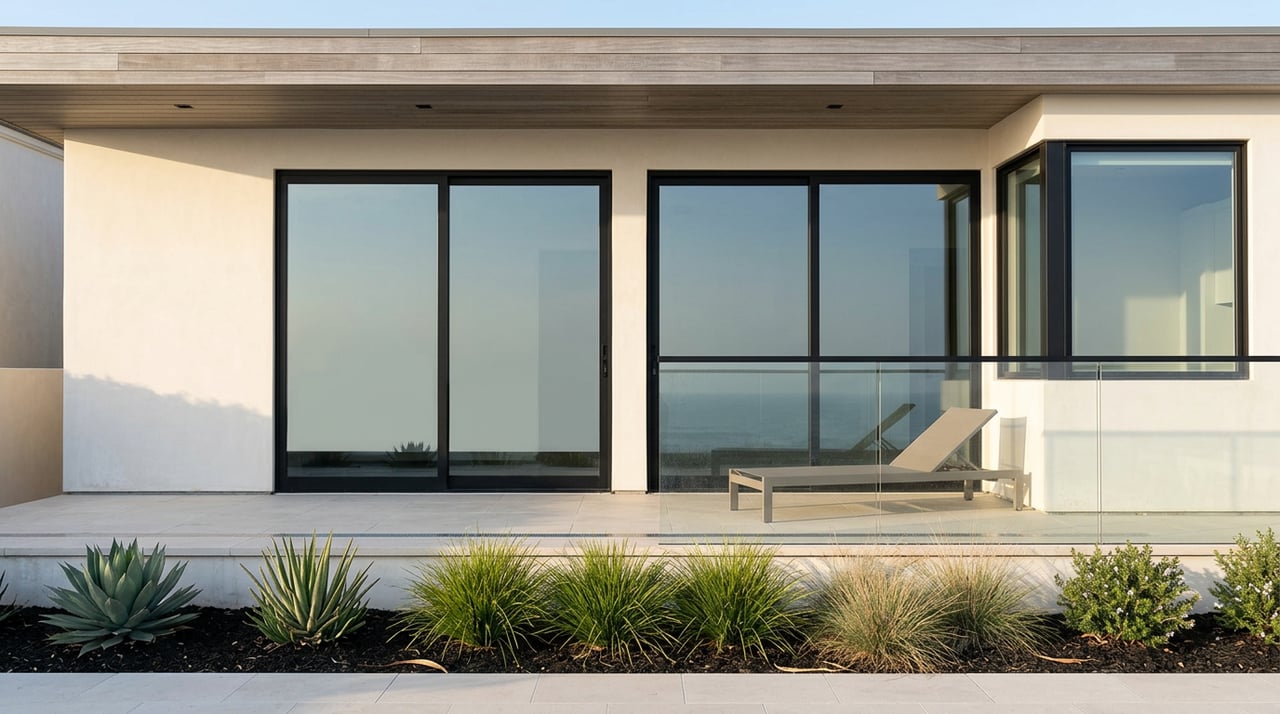
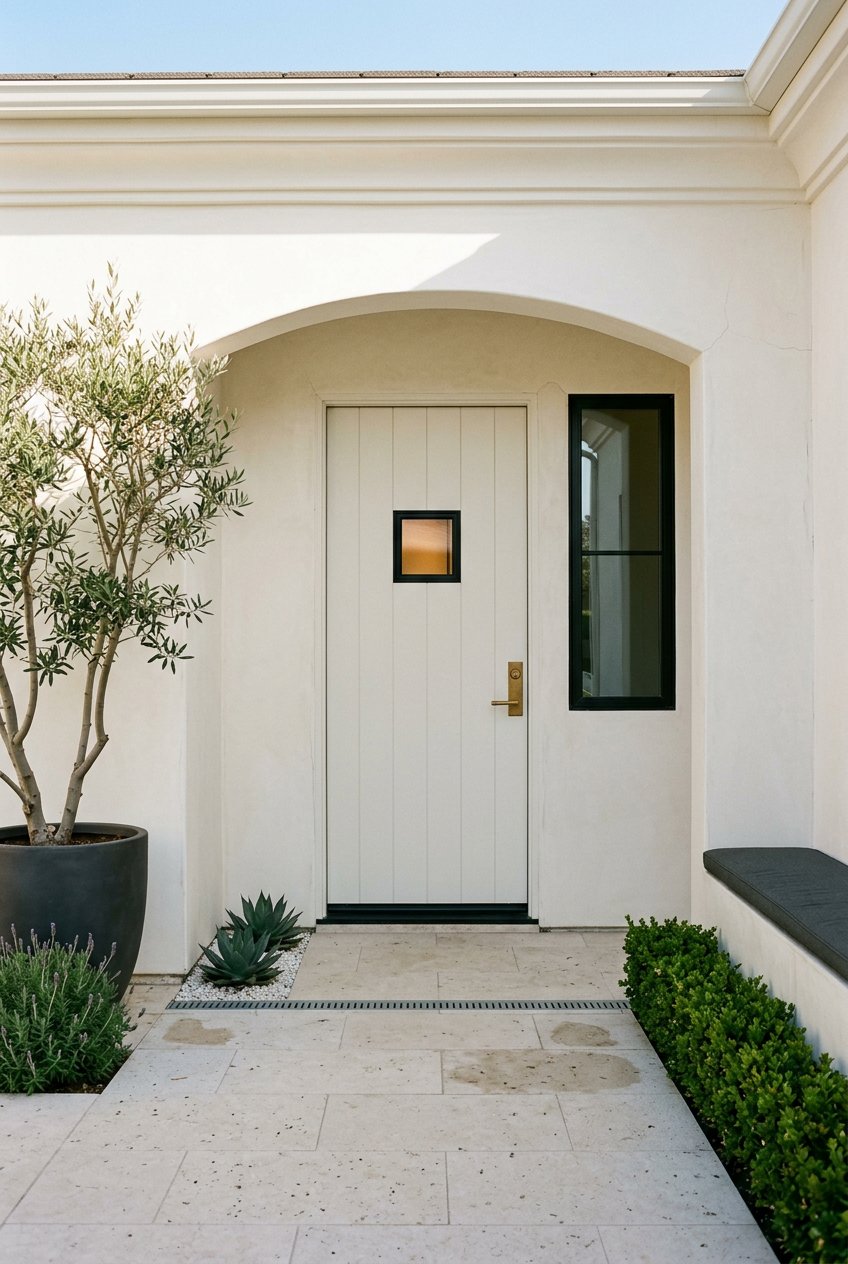
The village features a range of property types, primarily single-family homes with a mix of townhomes, condos, and small apartment buildings. Smaller lots and narrow parcels in the core often lead to multi-level residences and vertical living. You will see coastal cottage, Spanish and Mediterranean influences, California bungalows, Mid-Century elements, and modern infill homes. Many newer or remodeled homes emphasize open-concept living and indoor-outdoor transitions through patios, balconies, and rooftop decks.
Layouts and everyday function
On narrow lots, main living spaces are often placed on upper levels to capture light and views. Bedrooms may sit on lower floors, with garages accessed from rear alleys on older streets. Expect a wide range of bedroom counts, from efficient 2–3 bedroom cottages to larger homes with 4 or more bedrooms plus dedicated offices or media rooms. Parking can be single-car or tandem in some areas, which is important if you own multiple vehicles.
Market feel and who buys here
Corona del Mar sits within Orange County’s luxury segment and commands a premium over inland neighborhoods. Inventory can be limited, especially for move-in-ready cottages, homes with ocean views, or properties close to beach access. Buyers often include local executives, professionals relocating for lifestyle needs, downsizers seeking a lock-and-go home, and seasonal or second-home buyers. Sellers who invest in design-focused updates and polished outdoor living spaces often see strong interest.
What to know before you buy
Buying along the coast rewards you with a daily connection to the ocean, but it comes with specific planning:
- Budget and premiums: Views, proximity to beach access, and turnkey condition can add significant price premiums.
- Insurance and inspections: Factor in salt-air corrosion, bluff stability where applicable, and flood exposure in low-lying areas. It is wise to consult geotechnical experts for bluff-top sites and to review flood maps and carrier options for specialized coverage.
- Coastal permitting: Significant remodels, new construction, and bluff stabilization may require approvals under the California Coastal Act and Newport Beach’s Local Coastal Program. Allow time for reviews.
- HOAs and CC&Rs: Review dues, rules, and what common maintenance or amenities are included in condos, townhomes, and some newer infill communities.
- Ongoing maintenance: Plan for exterior upkeep, metal and mechanical wear, and landscaping suited to the marine environment.
If you plan to sell
Showcase lifestyle and setting in ways that resonate with today’s buyers. Highlight walkability to the village center, convenient beach access points, and indoor-outdoor spaces that extend daily living. Strong return-on-effort often comes from updated kitchens and baths, curated staging, and well-executed outdoor areas or roof terraces. Be prepared to disclose relevant geological information, prior bluff repairs, insurance history, and any unpermitted work. Seasonality can affect visibility, with spring and fall bringing focused activity and summers adding visitor foot traffic to the area.
Who the village suits best
Choose CdM Village if you value a seaside routine, walkable amenities, and boutique energy over sprawling yards. Expect smaller lots in the core, some narrow streets, and more visitor activity during summer. If you want easy beach rituals and a refined village feel within Newport Beach, everyday life here aligns well. With the right plan, you can balance the charm with the practical needs of coastal homeownership.
Ready to tailor these insights to your goals, whether that is buying, selling, or a premium seasonal rental strategy? Schedule a private, confidential conversation with Julie Grenz to align lifestyle, property, and timing.
FAQs
How close are homes to the beach in Corona del Mar Village?
- Many residents can walk to pocket beaches and access points, although exact walking times depend on your street and proximity to the village core.
What is parking like near CdM Village beaches and shops?
- On-street spaces are limited and fill quickly on summer weekends and holidays, so locals often plan errands off-peak or use nearby lots and meters.
What home styles are common in Corona del Mar Village?
- You will find coastal cottages, Spanish and Mediterranean homes, California bungalows, Mid-Century elements, and newer modern infill residences.
How does coastal weather affect home maintenance in CdM?
- Salt air accelerates wear on exterior finishes, metal, and mechanical systems, so plan for routine upkeep and materials suited to the marine environment.
What permits are needed for remodels near the coast in Newport Beach?
- Significant remodels or new builds often require reviews under the California Coastal Act and the city’s Local Coastal Program, which can add time and steps.
Are there public transit options in Corona del Mar Village?
- OCTA bus routes serve the area for select trips, but most residents rely on cars for regional commutes and use walking or biking for short village errands.