Is it possible for two Laguna Beach condos with the same square footage to sell hundreds of thousands apart? When ocean views, floor height, parking, and HOA details differ, the answer is often yes. If you are preparing to price or purchase an ocean-view condo, you want a clear framework that explains where the premium comes from and how to measure it. This guide shows you how the specific factors in Laguna Beach translate into value and how to read comps with confidence. Let’s dive in.
Laguna Beach market context
Laguna Beach is a small, high-amenity coastal community with limited inventory and strong lifestyle demand. Many buildings are mid-20th century, low-rise, and perched along bluffs or hillside streets, which makes orientation and elevation especially important. Ocean access, walkability to beaches and restaurants, and prestige drive buyer interest. Seasonal tourism can lift showing activity in spring through early fall, which can influence competitive dynamics and pricing.
The five value drivers that matter most
View corridor quality
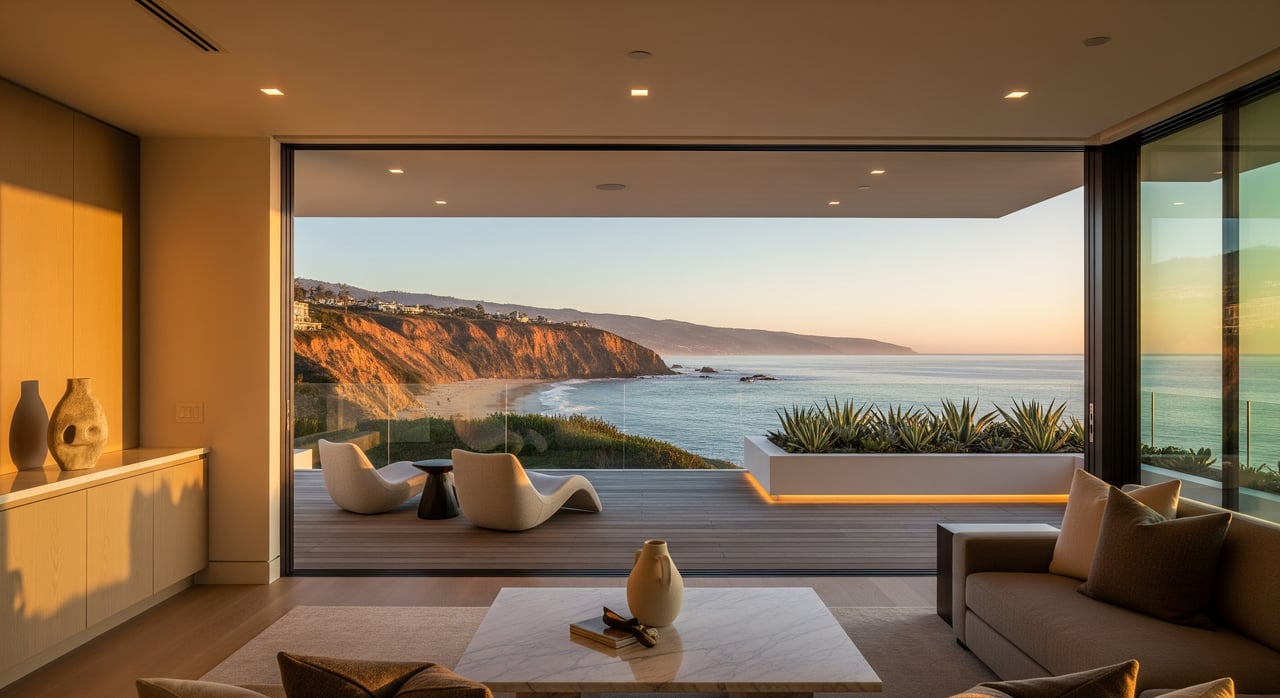
Your view is the single largest driver of value. A direct, unobstructed ocean panorama generally carries the highest premium. Partial or peek-a-boo views still add value but at a lower scale, while obstructed or no views do not. Consider permanence as well as beauty. If your view crosses buildable lots or vegetation, future changes can affect value. Protected corridors, coastline or cove vistas, and west-facing sunsets often perform best.
What to do:
- Classify the view as unobstructed direct, lateral, partial, or obstructed.
- Note orientation and field of view from living areas and decks.
- Check city planning and nearby parcels to assess view permanence.
Floor height and elevation
Higher floors often reduce street noise, increase privacy, and improve the ocean angle. In Laguna’s stepped or terraced buildings, a one-floor difference can dramatically change your sightline. In elevator buildings, buyers typically pay more as floors rise, especially if the view improves.
What to do:
- Prioritize same-building comps on different floors.
- Control for orientation and setbacks when comparing across buildings.
- Treat floor premiums as non-linear. The jump from ground to top in a 3 or 4 story building can be bigger than one floor in a tall high-rise.
HOA amenities and structure
Amenities influence both enjoyment and marketability, while dues affect your monthly outlay. Pools, spas, elevators, secure storage, private beach access, and guest parking are typically attractive. High dues can be acceptable when the amenities and building condition justify the cost. Special assessments, reserves, and rental rules can change perceived value.
What to do:
- Compare dues and amenity packages against similar buildings.
- Review reserves, recent or upcoming assessments, and insurance coverage.
- Factor the effective monthly cost, including dues, when stacking comps.
Parking and guest access
Deeded, covered parking is a recognized premium in coastal neighborhoods where street parking is tight. The number of spaces, whether they are tandem or side-by-side, and any EV charging can influence value. Guest parking rules also affect convenience and appeal.
What to do:
- Confirm whether parking is deeded, covered, or assigned.
- Note the number of spaces and any storage.
- Use same-building sales where parking differs to estimate a real premium.
Renovation quality and systems
Coastal exposure accelerates wear. Buyers pay for quality materials, new windows and sliders, updated decks and railings, and well-executed kitchens and baths. Documented permits and warranties help both buyers and appraisers accept a premium.
What to do:
- Distinguish cosmetic refreshes from full, professional remodels.
- Prioritize marine-grade materials and recent system upgrades.
- Keep permits, invoices, and warranties organized for review.
How to read comps for ocean-view condos
Step 1: Define your subject
List the building and unit, floor and elevation, interior and exterior square footage, beds and baths, parking specifics, HOA dues and inclusions, view category, and recent upgrades with documentation.
Step 2: Gather the right comps
Start with the same building and orientation, then the same block, then nearby condos with similar microclimate and beach proximity. In a fast market, favor sales within the last 3 to 6 months. In a slower market, you can extend to 12 months and use pending and active listings for direction.
Step 3: Adjust in a logical order
- Size: normalize by interior price per square foot, while considering layout quality.
- Beds/baths: adjust for meaningful differences, not minor layout tweaks.
- Condition: add for remodeled subject vs original comp, or subtract if the reverse.
- View/floor: classify each comp’s view, then apply a thoughtful premium or discount.
- Parking: adjust for deeded and covered vs assigned or uncovered.
- HOA: weigh meaningful differences in dues and inclusions that change monthly cost.
- Time: apply a market trend adjustment based on recent local direction.
Step 4: Cross-check and reconcile
Use both price-per-foot and total-dollar views. If results diverge, revisit comp selection and adjustments. Always ask whether buyers in today’s market are prioritizing trophy views, turnkey condition, or value.
Timing, seasonality, and strategy
Peak showing season often runs spring through early fall, when tourism and weather boost activity. In a seller’s market with low inventory, buyers tend to pay more for views and turnkey finishes. In a buyer’s market, premiums compress and value basics matter more. If you plan to price at the top of the range, prepare strong documentation for upgrades and view quality, and have a measured fallback plan if the market pushes back.
Appraisal, financing, and documentation
Appraisals rely on recent comparable sales. When your premium depends on a unique view or rare parking, help the appraiser by providing a concise package. Include view photos from main rooms, permits and invoices for major work, a summary of HOA reserves and assessments, and a comp sheet that clearly labels view category and parking type for each sale.
Quick valuation checklist
- Confirm unit facts: floor, elevation, size, beds/baths, terraces.
- Classify view: unobstructed direct, lateral, partial, or obstructed.
- Note parking: deeded vs assigned, covered vs surface, guest policies, EV.
- Review HOA: dues, included items, reserves, assessments, rental rules.
- Evaluate condition: kitchens, baths, windows/sliders, decks, systems.
- Gather 3 to 8 best comps: same building first, then block and nearby.
- Adjust for size, condition, view/floor, parking, HOA, and time.
- Check view permanence through city planning and nearby parcel status.
- Prepare documentation for buyers and appraisers.
Common pitfalls to avoid
- Treating any ocean glimpse like a full view premium. Be precise about category.
- Ignoring HOA health or special assessments that affect buyer calculus.
- Underestimating the value of deeded, covered parking near the beach.
- Overpricing cosmetic refreshes as if they were full remodels with permits.
- Pricing without same-building comps when they exist. Proximity matters.
Next steps
If you are weighing how much to list for, or you want a second opinion on value, a clear, comps-based plan will keep you on track. A thoughtful strategy that highlights your view, elevates presentation, and explains upgrades can maximize your outcome while reducing time on market. For a private, tailored pricing plan for your Laguna Beach condo, schedule a Private Consultation with Julie Grenz.
FAQs
How much does an unobstructed ocean view add to a Laguna Beach condo?
- Premiums vary by building and market phase, so use same-building comps and treat view as a major driver, with unobstructed panoramas typically commanding the highest relative uplift.
Are higher HOA dues always a negative when pricing a condo?
- Not necessarily, since buyers weigh dues against amenities and building condition; strong amenities, reserves, and beach access can justify higher dues in the right context.
How should I value deeded, covered parking near the beach?
- Treat it as a meaningful premium in constrained coastal areas and look for same-building sales with different parking allocations to estimate a realistic dollar impact.
Do small floor differences really change value in low-rise buildings?
- Yes, especially in stepped or terraced buildings where a one-floor rise can improve the view corridor, reduce noise, and increase privacy, which buyers often value.
What documentation helps support a premium during appraisal?
- Provide permits and invoices for major upgrades, photos of the view from main rooms, a summary of HOA reserves and assessments, and a labeled comp set showing view category and parking type.
When is the best time to list an ocean-view condo in Laguna Beach?
- Spring through early fall often brings higher showing activity, but align timing with current inventory and trend data so your pricing and presentation match market conditions.