Thinking about adding a guest house or rental suite to your Costa Mesa property? An accessory dwelling unit, or ADU, can create flexible living space, generate income, and elevate long-term value. If you are unsure where to start or how local rules apply, you are not alone. This guide walks you through the essentials so you can plan with confidence and avoid common roadblocks. Let’s dive in.
ADU basics in California
An ADU is a smaller, independent home on the same lot as your main residence. Common types include:
- Detached ADU: a standalone cottage in the yard
- Attached ADU: connected to the primary home
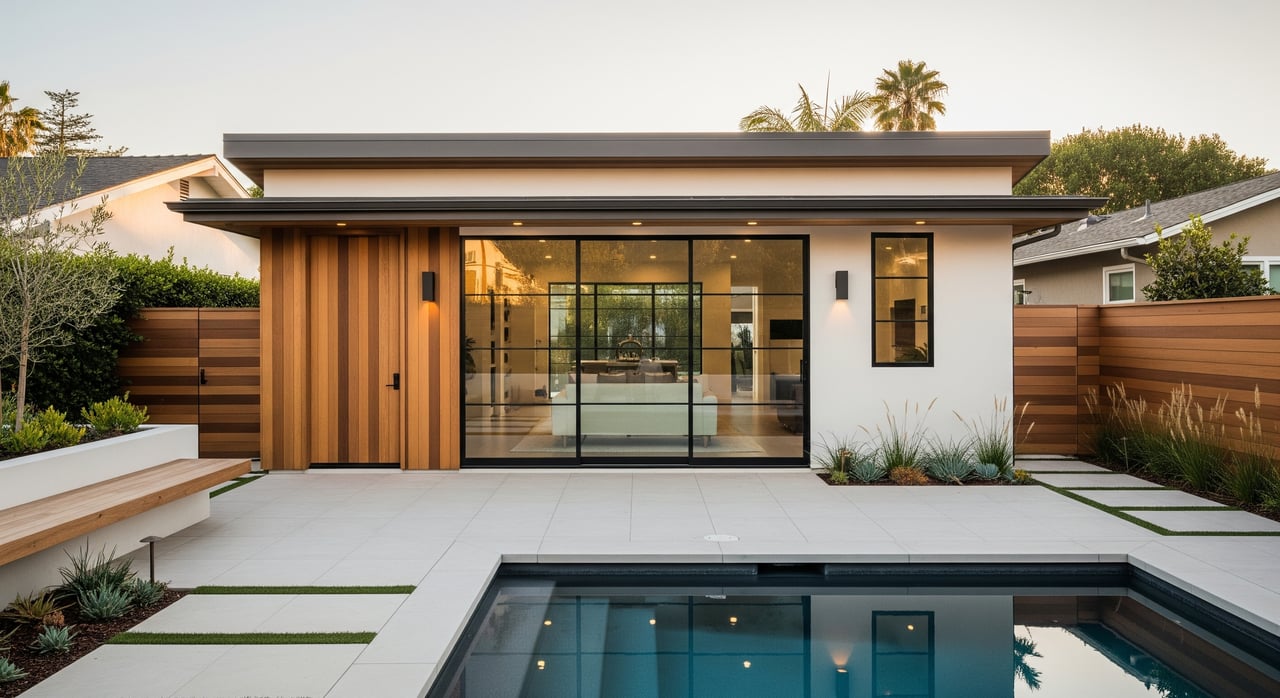
- Garage conversion ADU: repurposes an existing structure
- Junior ADU (JADU): typically within the main home with a kitchenette
Under California law, ADUs are generally reviewed ministerially. If your plans meet objective standards, the city must process the permit without discretionary hearings. State updates since 2019 have eased barriers like certain parking requirements and owner-occupancy. For statewide context and current guidance, review the California Department of Housing and Community Development’s ADU resources on the HCD website.
How approval works in Costa Mesa
Your first stop is the city’s Planning and Building teams. Start by exploring the city site and zoning resources, then confirm your parcel’s rules and submittal requirements with staff at the City of Costa Mesa.
A typical ministerial path looks like this:
- Pre-application review or intake, especially helpful for complex sites
- Submit architectural, site, and utility plans to Planning and Building
- Zoning review for setbacks, height, and design standards
- Building plan check for structural, mechanical, electrical, and energy codes
- Fire review for access and life safety
- Permit issuance, construction, inspections, and final occupancy
Review timelines vary with plan completeness and workload. Expect a few weeks to a few months, with possible plan check cycles to resolve comments.
Key rules to understand
Every property is different, so confirm details with the city and the HCD guidance above. Core topics you will discuss include:
- Size and number: State and local rules set maximum ADU and JADU sizes and how many are allowed per lot.
- Setbacks and height: Objective standards apply and can vary by zone.
- Parking: California limits what cities can require in many cases, including situations near transit. See HCD’s overview on where parking may be reduced or waived.
- Utilities and fees: Expect plan check, building, and utility fees. State law calls for proportional fees tied to ADU impacts. Ask Costa Mesa for current thresholds and any exemptions.
- Owner-occupancy and rentals: State law has relaxed some owner-occupancy rules. Long-term renting is common, while short-term rental policies are set locally. Confirm the latest city rules before marketing a rental.
For the legal framework behind California’s ADU reforms, you can review recent statutes on California Legislative Information.
Site planning in Costa Mesa
Orange County lots often have tight envelopes, so early due diligence matters. Use this checklist to test feasibility and placement:
- Zoning designation, permitted ADU type and size
- Buildable area after setbacks and recorded easements
- Existing structures you could convert, like a garage
- Slope, drainage, and potential retaining walls
- Tree protection and landscaping ordinances
- Locations for water, sewer, gas, electric, and telecom
- Driveway layout, fire access, and potential right-of-way work
- HOA covenants or architectural review that apply to your property
If your home is near coastal or flood-prone areas, verify lot status on the FEMA Map Service Center and check any local floodplain or coastal overlays with the city.
Design ideas for high-end properties
A well-designed ADU can enhance lifestyle and resale when it feels integrated and thoughtfully private.
- Architectural integration: Match roof pitch, eaves, window patterns, and exterior materials to your main home.
- Privacy and entry: Provide a separate entrance, landscape screening, and sound-buffer walls for comfort in both homes.
- Premium interiors: Favor durable, elevated finishes, custom millwork, and high-performance windows.
- Flexible layouts: Create spaces that adapt to guests, long-term tenants, or multigenerational living with convertible rooms and smart storage.
- Systems and sound: Specify enhanced soundproofing, and consider separate HVAC or utility metering if you plan to rent.
- Accessibility: Use single-level living, wider doors, and zero-step entries to support aging in place.
- Outdoor living: Add covered patios, privacy gardens, and lighting that extend living space.
- Sustainability: Plan for solar readiness, EV charging, efficient HVAC and lighting, and water-wise fixtures.
Build options and timelines
Choose the approach that matches your goals, site, and budget.
- Conversion: Often the most cost-effective if the structure and utilities are already in place.
- Detached cottage: Offers full design control and privacy, with higher site work and utility costs.
- Prefab or modular: Can shorten on-site construction, but you still need local approvals, a foundation, and utility connections.
- Above-garage: Uses existing footprint, but may require structural upgrades and careful stair design.
From first sketch to move-in, many projects span several months or longer, depending on design complexity, plan check cycles, and contractor availability.
Use cases and rental considerations
Homeowners commonly use ADUs for:
- Long-term rental income to offset carrying costs
- Multigenerational living for parents or adult children
- Guest house, studio, or home office
- Short-term rentals, where allowed by city and HOA rules
Short-term rentals may require registration, transient occupancy tax collection, and safety checks. Confirm current requirements with the City of Costa Mesa and your HOA before booking guests.
Budgeting and financing basics
Construction costs vary by scope, finishes, and site work. In Southern California, many projects are cited in ranges of several hundred dollars per square foot. High-end, detached designs with custom finishes and landscaping can exceed that. Prefab can help with schedule, but still includes delivery, foundation, and utility work.
Common financing paths include cash-out refinances, HELOCs, home improvement or construction loans, and specialized ADU programs offered by some lenders. An income-producing ADU can influence appraised value and buyer appeal, but appraisers weigh net income, comps, and local demand. Track expenses, and consult a CPA on rental income reporting, depreciation, and any applicable local taxes.
For broader market context and policy research on ADUs statewide, explore the UC Berkeley Terner Center’s ADU research.
Example footprints that fit Costa Mesa lots
These concepts are illustrative. Your final plan should respond to your lot and zoning.
- Garage conversion studio, about 300 to 500 sq ft: Open living and sleeping area, kitchenette, full bath, and compact storage.
- One-bedroom cottage, about 500 to 800 sq ft: Separate bedroom, combined living and kitchen, full bath, laundry, and a small patio.
- Two-bedroom guest house, about 800 to 1,100+ sq ft: Two bedrooms, full kitchen, living room, one or two baths, laundry, and outdoor entertaining.
- Above-garage suite, about 400 to 800 sq ft: Strong structure and safe stair access are key, along with separate mechanicals.
- Junior ADU, often 500 sq ft or less: Internal conversion with a kitchenette inside the main home.
Step-by-step planning checklist
- Confirm zoning and ADU rules for your parcel with the city.
- Map setbacks, lot coverage, easements, trees, slope, and any floodplain.
- Contact the Planning Division for guidance and submittal checklists.
- Choose your ADU type and create a schematic layout.
- Request preliminary estimates from 2 to 3 qualified local contractors or architects.
- Prepare and submit plans, including architectural, structural, and energy compliance.
- Coordinate water and sewer connections, meters, and utility upgrades.
- Build with required inspections, then secure final occupancy.
- If renting, complete any city or HOA registrations, set up tax collection if required, and update insurance and financial records.
Work with a trusted local advisor
An ADU is both a design project and a strategic investment. If you would like help aligning your ADU plan with long-term value, rental potential, and buyer expectations in Orange County, schedule a private conversation. Connect with Julie Grenz to discuss your goals and next steps.
FAQs
How big can an ADU be on a Costa Mesa lot?
- Size limits depend on state rules and your property’s zoning and setbacks. Start with the city’s Planning team and the HCD ADU guidance for current standards.
Can I convert my garage into an ADU in Costa Mesa?
- Many homeowners can convert existing structures if the design meets objective standards. Confirm parking, fire access, and code requirements with the City of Costa Mesa.
Are short-term rentals allowed in a Costa Mesa ADU?
- Short-term rental rules are set locally and may include registration and transient occupancy tax. Verify current policies with the city and your HOA before hosting.
Will I need to live on-site if I build an ADU?
- California relaxed some owner-occupancy requirements, but details vary by ADU type and timing. Review the latest rules on the HCD website and confirm with the city.
How long does ADU permitting take in Costa Mesa?
- Ministerial review can range from weeks to several months, depending on plan completeness and revisions. Building timelines depend on design, contractor schedule, and inspections.
What does an ADU typically cost in Orange County?
- Costs vary widely by scope and finishes. Industry ranges often cite several hundred dollars per square foot, with high-end detached ADUs higher. Get multiple local bids.
Do HOA rules affect my Costa Mesa ADU?
- Many HOAs have architectural review and covenants. State law limits outright bans in some cases, but you should confirm your community’s rules early.
Where can I check flood or coastal considerations for my lot?
- Start with the FEMA Map Service Center and confirm any coastal or flood overlays with the City of Costa Mesa during pre-application.