A Laguna Beach second home can be many things at once: a personal retreat, a long-term coastal hold, and in some cases, a carefully managed income property. That mix is exactly why buyers are drawn here, but it also means you need a clear strategy before you buy. If you are considering how to position a Laguna Beach home as a second-home investment, the smartest approach is to balance lifestyle value, local scarcity, and real-world leasing rules. Let’s dive in.
Why Laguna Beach Stands Apart
Laguna Beach is not a large coastal market with endless inventory. According to the City of Laguna Beach, the city spans just 8.84 square miles, has about 23,000 residents, and welcomes roughly six million visitors each year.
That combination creates a market shaped by scarcity and destination appeal. Beaches, trails, a walkable downtown, and seasonal art festivals all support the idea that ownership here is often about personal use first, with income potential as a secondary benefit.
Recent pricing reflects that premium position. Redfin market data reported a February 2026 median sale price of $2.91 million, 118 median days on market, and a 95.7% sale-to-list price ratio. The local MLS also showed a rolling 12-month single-family median sales price of $3.05 million as of January 15, 2026, with 5.0 months of inventory.
Think Lifestyle First, Income Second
In Laguna Beach, second-home buyers often make better decisions when they start with how the home will serve their own life. If the property works beautifully as a retreat for you, any occasional leasing becomes a bonus rather than the only justification for ownership.
That matters because this is not a market built on rapid turnover or simple vacation-rental math. The value story is tied more closely to location, limited supply, and the lasting appeal of the setting.
A strong second-home investment here usually offers:
- Convenient access to beaches, trails, downtown, or cultural amenities
- Easy arrival and departure for weekend or seasonal use
- Comfortable privacy for personal stays
- Features that support low-friction ownership over time
- Optional leasing potential, if local rules allow it
Understand Laguna Beach Leasing Rules
If you are evaluating rental potential, local regulation needs to be part of your analysis from the start. Laguna Beach’s current short-term lodging rules took effect July 1, 2025, with enforcement beginning October 1, 2025, according to the city’s short-term lodging program overview.
The city requires operators to have a Short-Term Lodging Unit License, a city business license, an Administrative or Conditional Use Permit, and TOT registration. Listings must display the license number, and hosts must maintain a 24/7 local contact who can respond to complaints within 60 minutes.
There is also a tax burden to factor in. The city currently collects 14% on short-term rental revenue, made up of a 12% Transient Occupancy Tax and a 2% Tourism Marketing District assessment, and owners must file quarterly TOT reports even if there were no rentals during that period.
Just as important, short-term lodging is no longer allowed in R-1, R-2, or R-3 residential districts. Existing permitted residential short-term lodging units are legal nonconforming uses that run with the land, and citywide availability is capped at 300 total units, plus 165 home-share units in certain commercial and mixed-use areas.
The practical takeaway is simple: Laguna Beach should be viewed as a tightly controlled optional-leasing market, not an unrestricted vacation-rental market.
Why The City Takes A Tight Approach
These rules did not appear in a vacuum. City planning materials note that short-term lodging can reduce the supply of long-term housing, and Laguna Beach has also created a Neighborhood & Environmental Protection Plan to address visitor impacts, funded by visitor revenues.
For you as a buyer, this helps explain why compliance and enforcement are especially visible here. It is another reason to avoid underwriting a purchase on aggressive rental assumptions alone.
Features That Support Long-Term Value
When you position a Laguna Beach home as a second-home investment, it helps to think in terms of durability and repeat usability. The best-performing homes are often the ones that are easy to enjoy personally and easy to operate during peak visitor seasons.
Based on the city’s lifestyle patterns and lodging standards, features that tend to age well include:
- Flexible floor plans
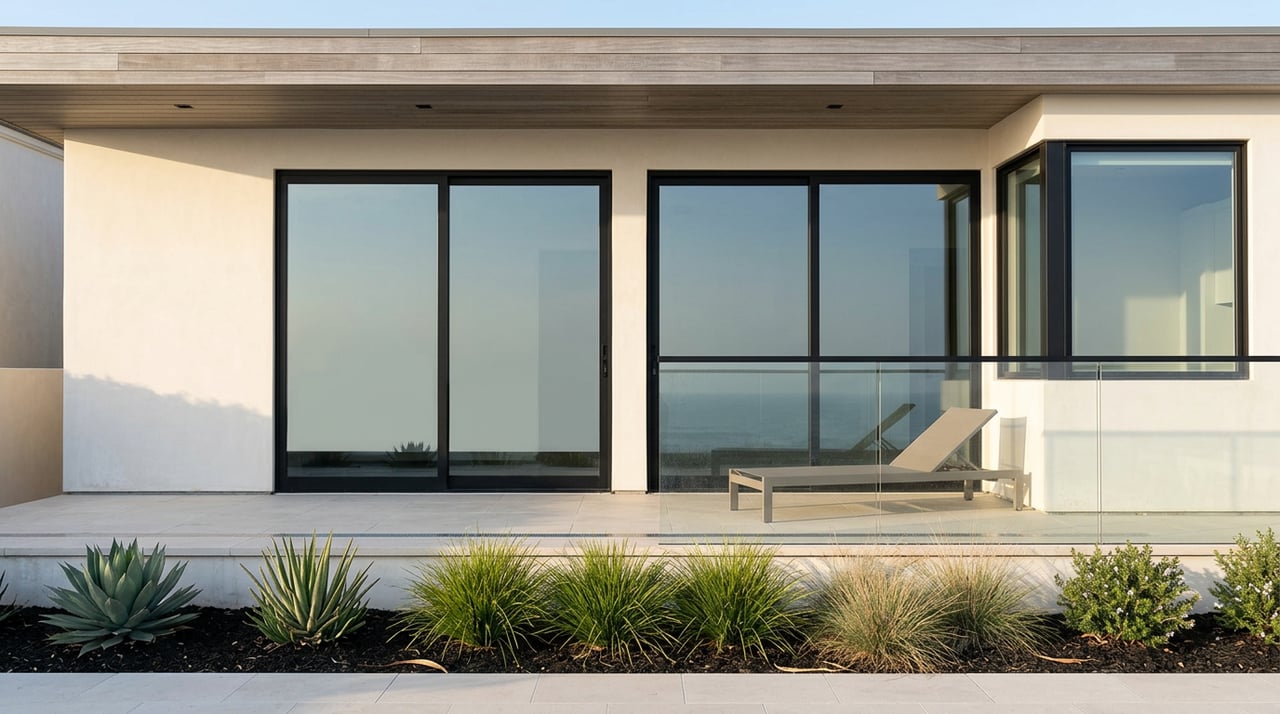
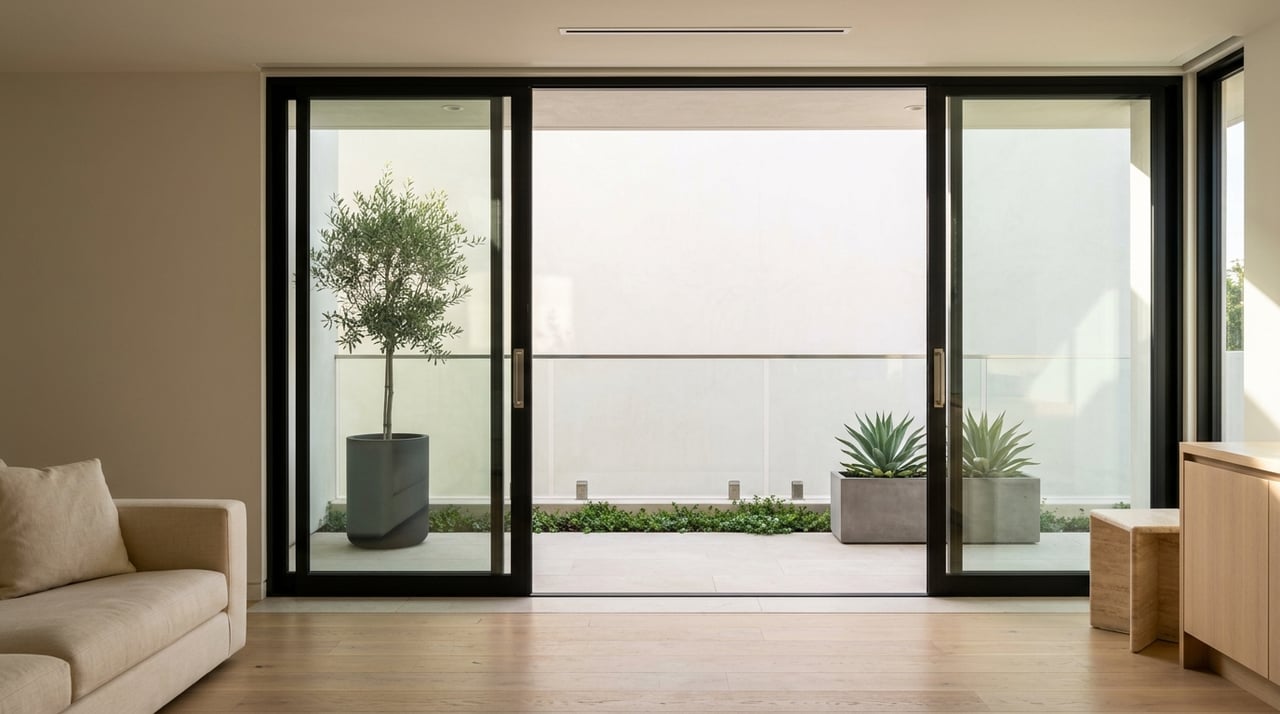
- Strong indoor-outdoor flow
- Reliable off-street parking
- Good privacy
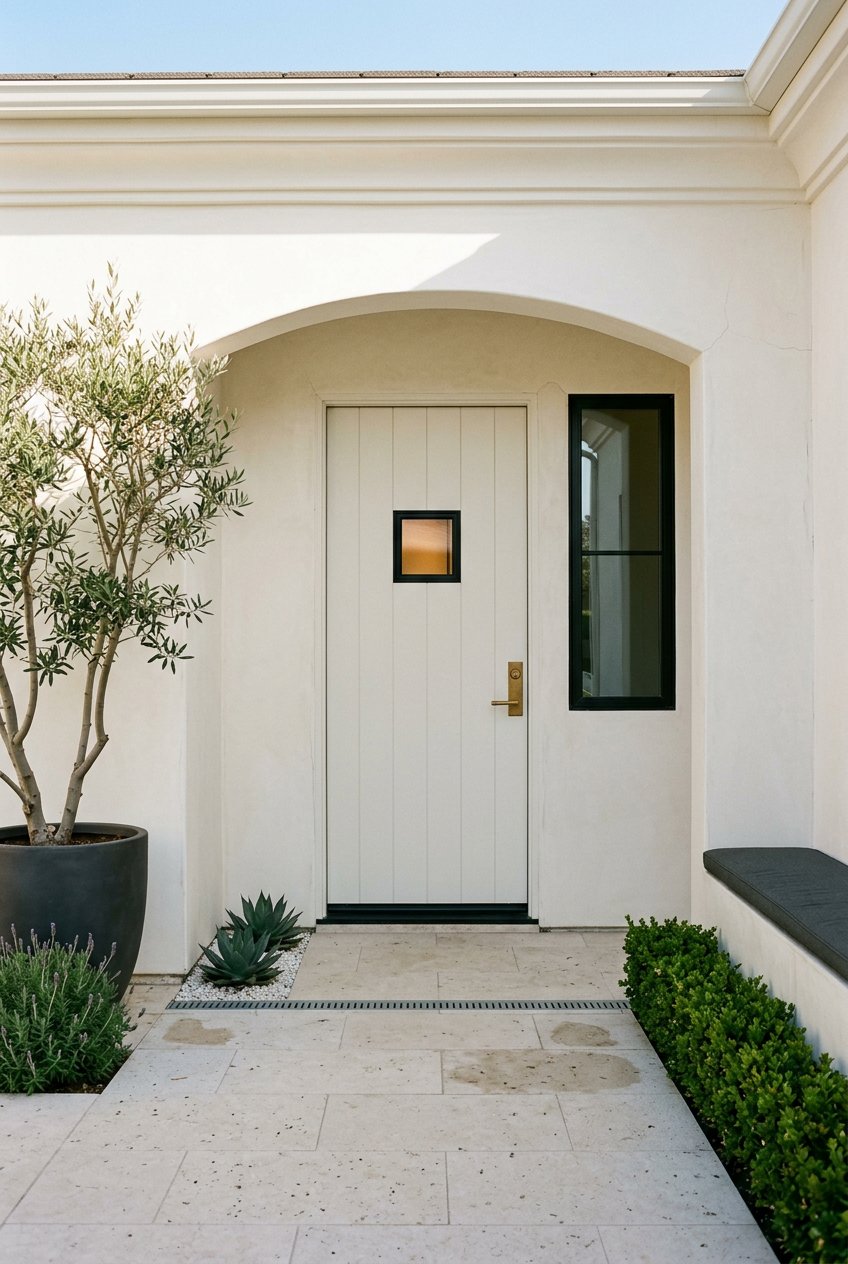
- Exterior materials that can handle coastal wear
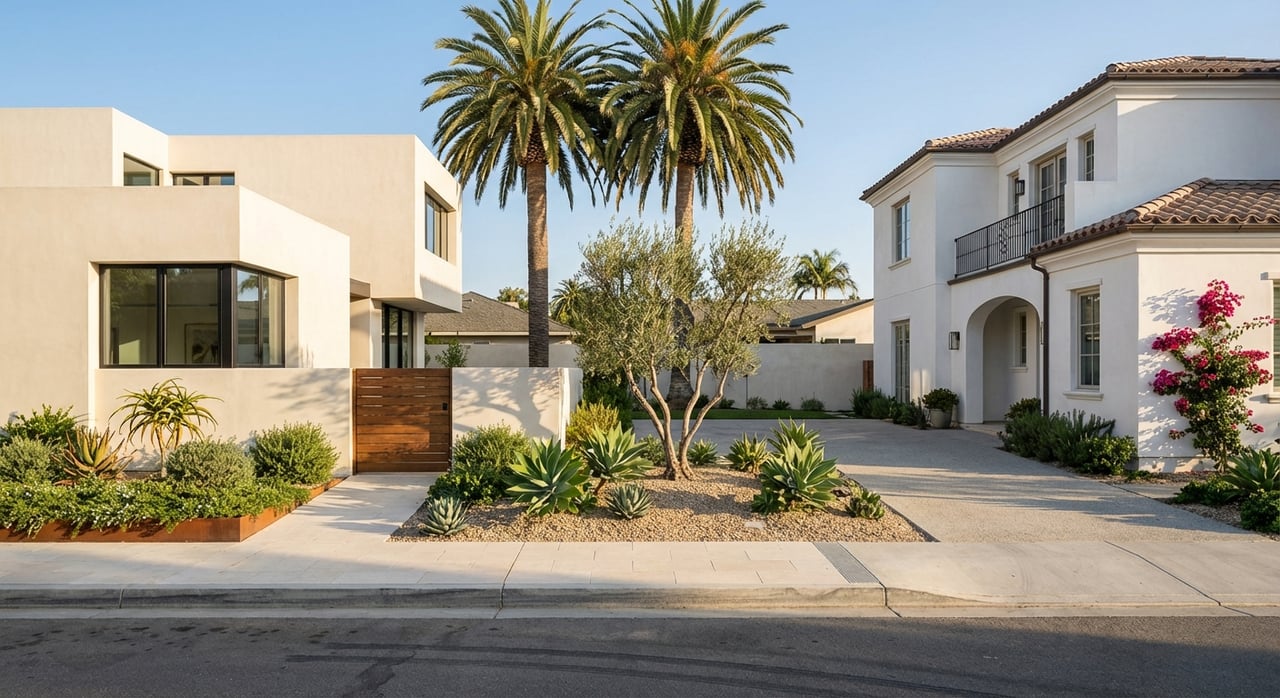
- Low-maintenance site design
These are not rigid market rules, but they align with how buyers and guests tend to use homes in a destination setting like Laguna Beach.
Resilience Matters In Laguna Beach
In many markets, resilience features feel optional. In Laguna Beach, they are much closer to core value drivers.
The city identifies wildfire as its number one public safety threat, and its fire prevention guidance emphasizes defensible space, vegetation management, and home hardening. Redfin’s climate data also notes wildfire exposure for 79% of properties over the next 30 years and severe-flood exposure for about 9% of properties in Laguna Beach.
That means buyers should pay close attention to practical details such as durable exterior finishes, site drainage, landscaping approach, and overall ease of maintenance. For a second-home owner who may not occupy the property full-time, these details can influence both peace of mind and long-term ownership costs.
Location Still Drives The Story
Not every Laguna Beach property offers the same second-home profile. Location within the city still plays a major role in how a home lives, how often you will want to use it, and how well it holds appeal over time.
Because Laguna Beach is closely associated with beach access, trails, downtown walkability, and cultural events, homes that make those advantages easier to enjoy can be especially compelling. Quiet access, usable views, and a smooth arrival-and-departure experience can matter more than squeezing out the highest possible rental turnover.
For many second-home buyers, convenience wins. A property that feels easy to return to again and again often becomes the better long-term ownership asset.
Underwrite Conservatively
A disciplined purchase strategy starts with honest assumptions. Before you think about any rental revenue, first ask whether the property still makes sense as a lifestyle holding if leasing is occasional, limited, or unavailable.
A useful framework is to separate costs into three buckets:
- Ownership costs that exist whether or not the home is rented
- Guest-related costs that arise only when the property is occupied by tenants or visitors
- Compliance costs tied to permits, taxes, and reporting
This approach helps you avoid blending fixed and variable expenses into one overly optimistic projection.
Do Not Ignore Property Tax Structure
California property taxes are another important part of the equation. According to the Orange County Assessor, taxable value is generally based on the acquisition value under Proposition 13, with up to a 2% annual CPI adjustment and added value for new construction unless a reassessment event occurs.
The Assessor also notes that new owners may receive a supplemental assessment after closing. Secured property taxes are billed in two installments, due November 1 and February 1.
In a market where purchase prices are high, carrying costs can be meaningful even before maintenance, insurance, and any leasing compliance costs are added in. That is why a conservative, fully loaded cost picture matters.
A Smarter Second-Home Investment Lens
If you are thinking strategically, the strongest Laguna Beach second-home investments often share a few traits. They work well for your own use, they are located in a way that supports repeat enjoyment, and they can hold value without depending on aggressive income assumptions.
In other words, the property should stand on its own as a retreat first. If leasing is possible and makes sense within the city’s framework, that can enhance the ownership story, but it should not be the only story.
That is where local guidance becomes especially valuable. In a coastal market shaped by scarcity, regulation, and highly specific lifestyle preferences, the right purchase is rarely just about finding a beautiful home. It is about choosing the right fit for how you plan to use it, carry it, and hold it over time.
If you are considering a second-home purchase along the Orange County coast and want a discreet, informed strategy, Julie Grenz offers a refined, consultative approach tailored to lifestyle-driven buyers and investors.
FAQs
What makes a Laguna Beach home attractive as a second-home investment?
- A Laguna Beach home is often most attractive when it combines personal lifestyle use with long-term scarcity value, convenient access to beaches or downtown, and optional leasing potential where local rules allow it.
Are short-term rentals allowed for all Laguna Beach homes?
- No. The city states that short-term lodging is not allowed in R-1, R-2, or R-3 residential districts, except for certain existing permitted units that are considered legal nonconforming uses.
What permits are required for Laguna Beach short-term lodging?
- The city requires a Short-Term Lodging Unit License, a city business license, an Administrative or Conditional Use Permit, and TOT registration, along with a 24/7 local contact for complaints.
How much tax applies to Laguna Beach short-term rental revenue?
- Laguna Beach currently applies 14% to short-term rental revenue, consisting of a 12% Transient Occupancy Tax and a 2% Tourism Marketing District assessment.
Why should wildfire resilience matter for a Laguna Beach second home?
- Wildfire resilience matters because the city identifies wildfire as its top public safety threat, and property durability, defensible space, and home-hardening features can affect long-term ownership and maintenance.
How should you evaluate income potential for a Laguna Beach second home?
- You should evaluate income potential conservatively by separating fixed ownership costs, guest-related costs, and local compliance costs, then confirming the property still works for you even if rental income is limited or unavailable.